
Bone Grafting for Dental Implants in Macquarie Park

Wise Dental in Macquarie Park offers advanced dental bone grafting that restores degraded bone and helps prepare the jaw for dental implant procedures. This process is essential when bone loss occurs due to missing teeth, gum disease, or injury. By rebuilding the jawbone, we improve oral health, create a stable foundation for implants, and help restore natural facial contours.
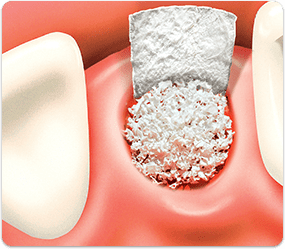
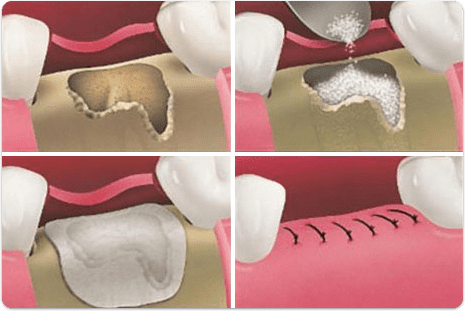
Image of white color material filled into the jawbone ​besides the teeth
Bone Grafting & Augmentation Services in Macquarie Park

Signs You May Need Dental Bone Grafting

If you are experiencing any of the following, you may be a candidate for bone grafting for dental implants.

Tooth Loss with Jawbone Deterioration

Missing teeth can lead to bone shrinkage over time, making implants difficult without grafting.

Planning for Dental Implants

Insufficient bone density often requires grafting before implant placement for stability.

Advanced Gum Disease (Periodontitis)

Severe periodontitis can lead to bone loss around your teeth, which may need repair.

Facial Changes or Sunken Cheeks

Bone loss in the jaw can impact facial structure and aesthetics.

Loose Dentures or Bridges

Poor-fitting restorations can be a sign of receding bone.

What We Offer at Our Bone Grafting Dental Clinic

Autograft

This is a bone grafting surgery that involves taking bone from your own body (commonly the chin or hip).

Pros: High compatibility promotes natural healing.

Cons: Requires two surgical sites.

Allograft

This dental bone grafting technique uses donor bone from a tissue bank.

Pros: No second surgery site; safe and effective.

Cons: Slightly longer healing time in some cases.

Xenograft

This bone grafting dental procedure uses bone derived from animal sources (commonly bovine).

Pros: Readily available, supports bone growth.

Cons: May take longer to integrate fully.

Alloplast

Synthetic bone substitutes are made from biocompatible materials.

Pros: No biological donor required; easy availability.

Cons: Healing may be slower compared to natural bone.

What to Expect During a Bone Grafting Procedure

Consultation and Imaging

Your dentist will evaluate your jawbone using X-rays or 3D imaging.

Anesthesia

Local anesthetic (or sedation, if preferred) ensures a comfortable experience.

Bone Placement

The graft material is placed at the affected site and secured.

Membrane Placement

A protective membrane may be used to guide bone regeneration.

Stitching and Healing

The area is closed with sutures, and the healing process begins.

Most patients experience mild swelling and discomfort for a few days. Healing time typically ranges from 3 to 6 months, depending on the type of graft and individual response.

Benefits of Dental Bone Grafting

  • Supports successful dental implant
  • Restores natural jawbone volume and
  • Prevents further bone loss and gum
  • Improves facial contours and
  • Enhances denture or bridge fit and

Recovery and Aftercare

3–6 months is typical, depending on your bone graft type and overall health. Here is a look at our top recovery tips.

  • Stick to soft foods for the first
  • Take prescribed antibiotics and pain
  • Keep the surgical site clean and follow all aftercare
  • Avoid smoking or
  • Do not disturb the surgical area with your tongue or
  • Avoid strenuous activities for a few

Professional Bone Grafting Surgery in New South Wales

If you are living with dental conditions that are resulting in bone loss, schedule a professional consultation with the Wise Dental team today.